
Story Tropes

The Emotional Pull of the “Forced Proximity” Trope
Forced proximity is a romance trope built on one simple idea: two people who might normally avoid each other are placed in the same space. They may become roommates, coworkers, travel partners, fake spouses, bodyguard and client, neighbors, or partners in a crisis. The setup creates immediate tension because distance is no longer an option. The characters must interact, adjust,...
Read more
Why the “Revenge Comeback” Trope Is So Satisfying
The revenge comeback trope is one of the most satisfying story patterns in modern web novels and short dramas. It usually begins with betrayal, humiliation, or injustice. A character is abandoned, framed, underestimated, or destroyed by people they once trusted. At the lowest point, they seem powerless. Then the story shifts. The character returns stronger, smarter, wealthier, more skilled, or...
Read more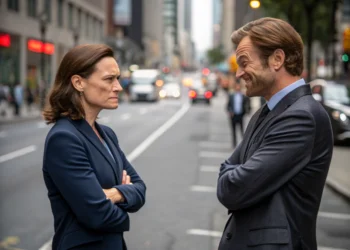
The Power of the “Enemies to Lovers” Trope
Enemies to lovers is one of the most enduring romance tropes because it turns conflict into chemistry. Two characters begin on opposite sides. They may dislike each other, compete with each other, misunderstand each other, or represent completely different values. Their first interactions are often sharp, tense, or even hostile. Yet beneath the arguments, readers sense energy. That energy is...
Read more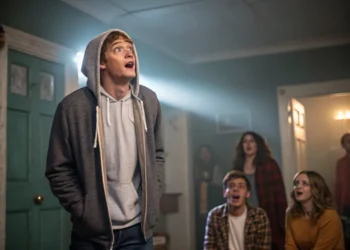
Why the “Hidden Identity” Trope Keeps Readers Hooked
The hidden identity trope is built around one simple but powerful question: what happens when the truth finally comes out? A character may be secretly rich, secretly royal, secretly powerful, secretly talented, or connected to an important family. Sometimes the hidden identity is used for protection. Sometimes it is used to test another person’s sincerity. Sometimes it exists because the...
Read more
The Appeal of the “Second Chance Love” Trope in Modern Fiction
Second chance love is one of the most emotionally powerful tropes in romance stories. It begins with a relationship that has already failed, ended, or been interrupted. The characters may have been childhood sweethearts, former spouses, first loves, or two people separated by misunderstanding, ambition, family pressure, or timing. When they meet again, the story does not start from zero....
Read more
Why the “Contract Relationship” Trope Still Works So Well in Romance Stories
The contract relationship trope captivates readers by exploring the tension between what characters say and what they truly feel. Initially, both parties insist their connection is purely business, yet small acts of concern and jealousy reveal deeper emotions. This setup not only creates a strong narrative structure with clear rules but also allows intimacy to blossom under pressure. As characters...
Read more
Why Enemies-to-Lovers Remains One of the Most Popular Story Tropes
Enemies-to-lovers is one of the most popular romance tropes in dramas and web novels. The setup is instantly engaging: two characters begin with conflict, dislike, misunderstanding, rivalry, or distrust, but gradually develop romantic feelings. The appeal comes from watching emotional distance turn into closeness. The stronger the early conflict, the more satisfying the later affection can feel. This trope works...
Read more
How Family Secrets Make Drama Stories More Engaging
Family secrets are one of the most effective tools in dramas and web novels. A hidden birth identity, an old betrayal, a missing child, a covered-up accident, or a long-buried lie can change the entire direction of a story. These secrets create suspense because the audience knows that the truth will eventually come out, and when it does, relationships may...
Read more
Why Forbidden Love Tropes Create Strong Emotional Tension
Forbidden love is one of the oldest and most powerful romance tropes. It appears in dramas, web novels, historical stories, family conflicts, workplace romances, and modern short dramas. The basic idea is simple: two people are drawn to each other, but something stands in the way. The obstacle may be family disapproval, social status, past relationships, workplace rules, rival families,...
Read more
The Popularity of Fake Dating Stories and Why They Feel So Fun
Fake dating is one of the most enjoyable romance tropes in dramas and web novels. The setup is usually simple: two characters pretend to be in a relationship for a practical reason. They may want to avoid family pressure, make an ex jealous, protect their public image, solve a work problem, or help each other through an awkward situation. At...
Read more