
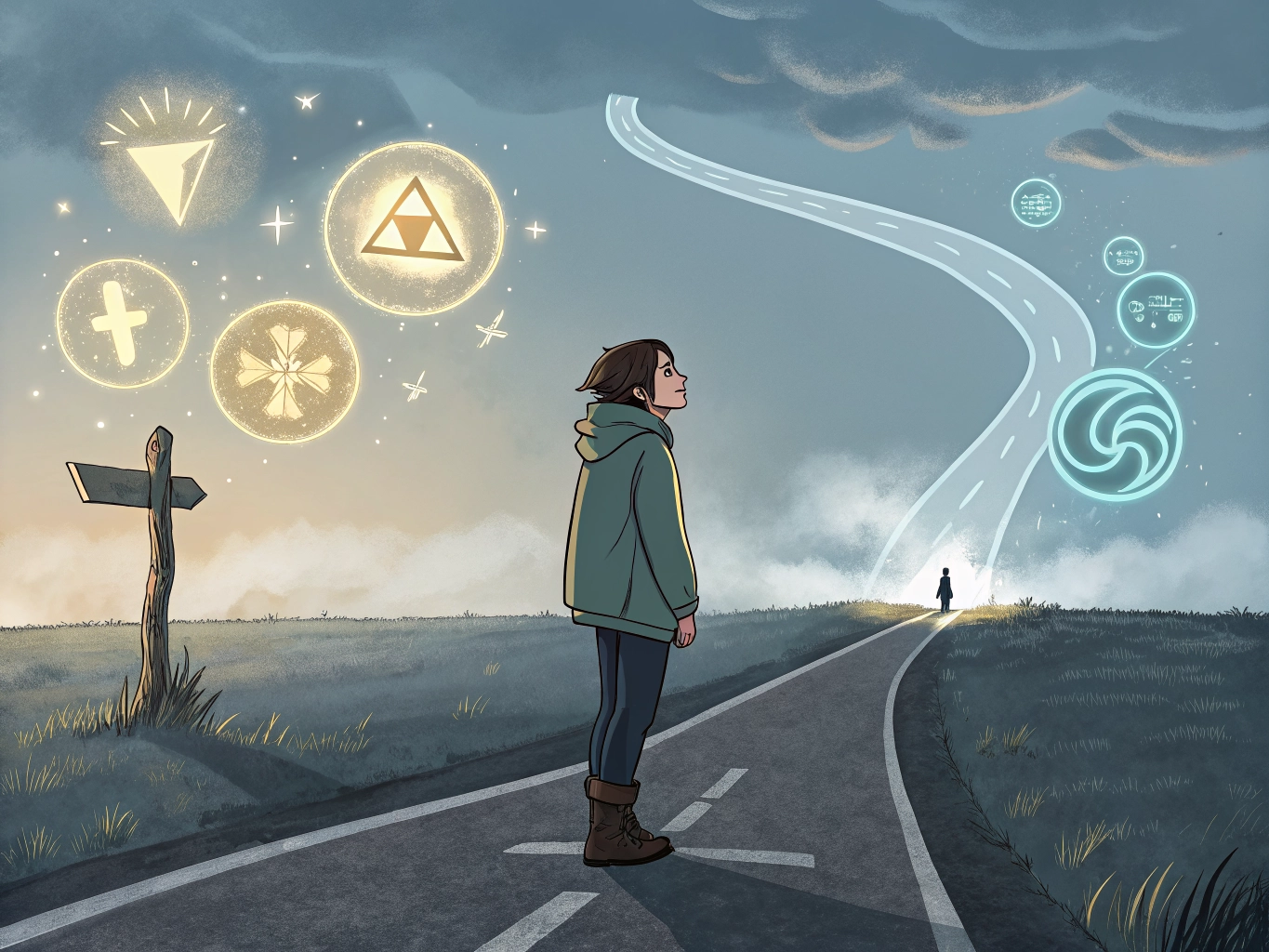
The chosen one trope is one of the oldest and most recognizable story patterns. A character discovers that they have a special destiny, hidden power, royal bloodline, magical gift, or unique responsibility. They may begin as ordinary, overlooked, or uncertain. Then a crisis reveals that they are connected to something much larger than themselves. This trope appears in fantasy, adventure, science fiction, and even modern drama because it offers a powerful transformation story.
Readers enjoy the chosen one trope because it turns hidden potential into visible purpose. Many people understand the feeling of being ordinary or underestimated. A chosen one story suggests that someone who seems unimportant may carry extraordinary value. This emotional fantasy is not only about power. It is about recognition.
The trope often begins with reluctance. The chosen character may not want responsibility. They may doubt themselves, reject the role, or fear failure. This hesitation makes them relatable. If they accepted destiny too easily, the story might feel flat. Struggle gives the journey meaning. Readers want to watch the character grow into the role, not simply receive it.
A strong chosen one story usually includes training, failure, and sacrifice. Special destiny should not solve every problem instantly. The character may have power, but they still need wisdom. They may be important, but they still make mistakes. These challenges prevent the trope from feeling too convenient. Growth is what makes the destiny believable.
Mentor characters often play an important role. They may guide, protect, test, or withhold information from the chosen one. Sometimes the mentor is wise and supportive. Sometimes they are flawed or secretive. The relationship between mentor and chosen character can add emotional depth, especially when the protagonist must eventually make independent choices.
The chosen one trope also works well because it creates a clear central question. Can this person fulfill the role placed upon them? The answer usually depends not only on talent but on character. Courage, compassion, loyalty, and moral judgment often matter more than raw power. This gives the story emotional meaning beyond victory.
However, modern audiences often prefer chosen one stories that question destiny. A character may ask why they were chosen, whether the prophecy is true, or whether they can choose a different path. This makes the trope feel fresher. The best versions balance fate with personal agency. The character may be chosen, but they still decide what kind of person to become.
In romance or drama settings, the chosen one trope can appear in less magical forms. A hidden heir may be chosen to lead a family company. A talented performer may be selected for a career-changing role. A seemingly ordinary person may become central to a powerful conflict. The emotional pattern is the same: someone discovers that their life has a larger purpose.
The trope is especially effective in serialized storytelling because each chapter or episode can reveal more about the character’s destiny. New powers, secrets, enemies, and responsibilities keep readers engaged. The audience continues because they want to understand the full meaning of the character’s role.
A satisfying chosen one story does not end with power alone. It ends with self-understanding. The protagonist must decide whether destiny defines them or whether they define destiny. This emotional choice is what gives the trope lasting strength.
The chosen one trope remains popular because it speaks to a universal hope: that our lives may contain more meaning than we first understand. It tells readers that hidden strength can be discovered, fear can become courage, and an ordinary beginning can lead to an extraordinary journey.