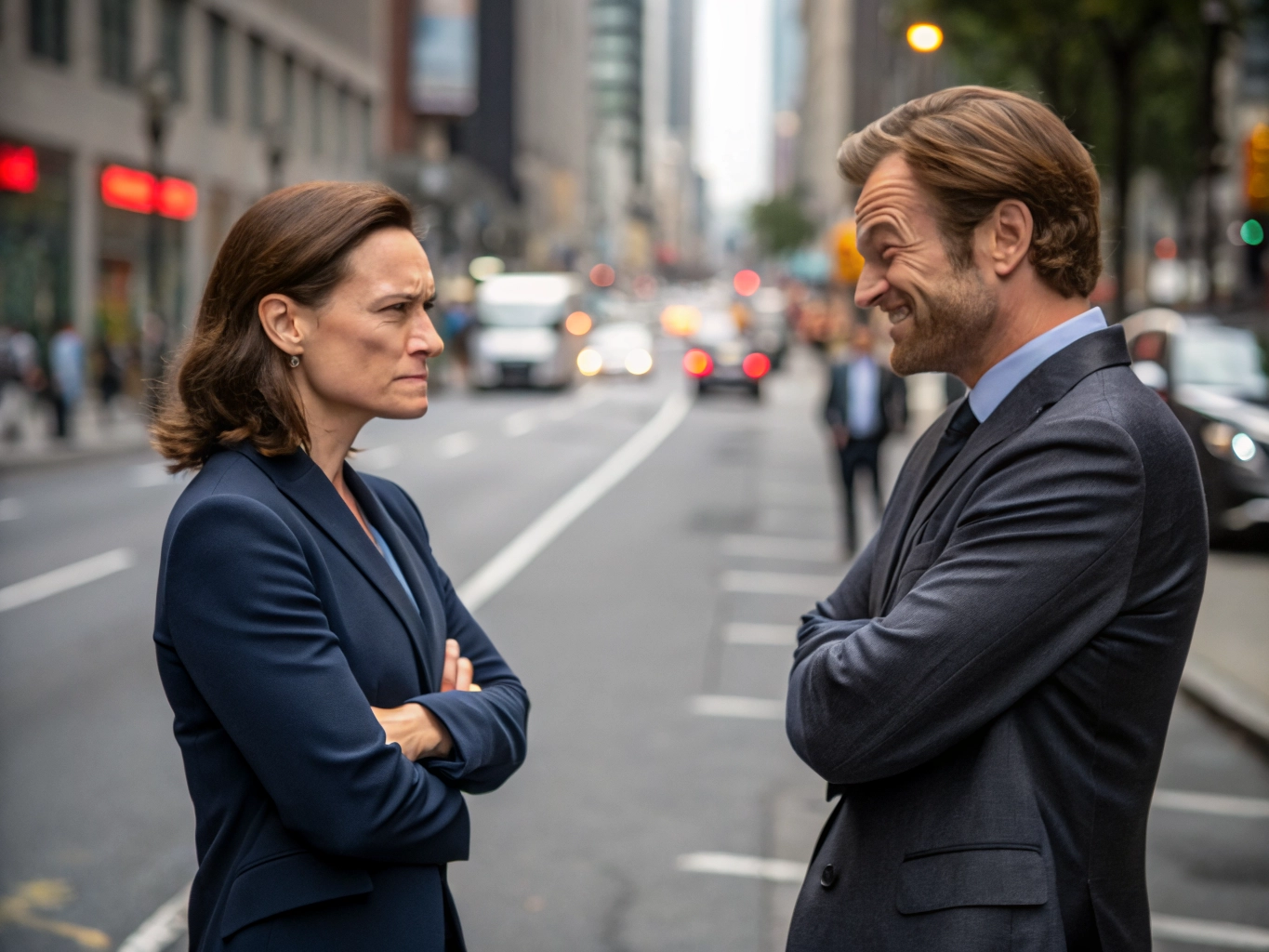
Enemies to lovers is one of the most enduring romance tropes because it turns conflict into chemistry. Two characters begin on opposite sides. They may dislike each other, compete with each other, misunderstand each other, or represent completely different values. Their first interactions are often sharp, tense, or even hostile. Yet beneath the arguments, readers sense energy. That energy is what makes the trope so addictive.
The appeal begins with resistance. In many romance stories, attraction appears quickly. In enemies to lovers, attraction is denied, challenged, or disguised as irritation. The characters may insist they cannot stand each other. They may avoid compliments, hide concern, or explain away jealousy as annoyance. This resistance makes every soft moment more powerful. When a character who usually argues suddenly protects the other, readers notice immediately.
This trope works because conflict reveals personality. When two characters challenge each other, they show what they care about. One may value ambition while the other values loyalty. One may follow rules while the other breaks them. One may be emotionally guarded while the other is direct. Their clashes are not only entertaining; they also expose deeper beliefs. Over time, the characters begin to understand the reasons behind each other’s behavior.
A strong enemies to lovers story usually does not rely on meaningless fighting. If the characters argue only because the plot needs tension, readers may become tired. The conflict should come from real differences, past wounds, social pressure, professional rivalry, or moral disagreement. When the reasons are clear, the eventual romance feels more satisfying. Love does not erase the conflict instantly. It grows because the characters learn to see each other more honestly.
Another reason this trope holds attention is the slow shift from judgment to understanding. At first, each character may reduce the other to a label: arrogant, spoiled, cold, reckless, selfish, or impossible. But as the story continues, they witness moments that complicate those labels. The arrogant person may be carrying responsibility. The cold person may be protecting themselves. The reckless person may be braver than they appear. Readers enjoy watching assumptions break down.
The trope also creates excellent dialogue. Banter, sarcasm, and verbal sparring can make scenes lively. When written well, arguments become a form of emotional intimacy. The characters pay close attention to each other, even while claiming dislike. They remember details. They react strongly. They care too much. Readers understand that indifference would be quieter. The intensity of their conflict hints that deeper feelings are already forming.
In short dramas, enemies to lovers is especially effective because it creates immediate drama. A hostile first meeting, a public confrontation, a business rivalry, or a forced partnership can hook viewers quickly. The audience does not need a long explanation to understand the tension. They simply want to know how two people who seem completely incompatible will end up caring for each other.
The turning point often comes when the characters are forced to cooperate. They may need to solve a crisis, protect someone, complete a project, or survive a difficult situation together. Cooperation changes the emotional rhythm. Instead of attacking each other, they begin to rely on each other. Trust appears before either character is ready to name it. This stage is often the most enjoyable part of the trope because the romance is visible but still unspoken.
A powerful enemies to lovers story also requires apology and growth. If one character has truly hurt the other, attraction alone is not enough. The story must show responsibility. A sincere apology, a changed action, or a sacrifice can turn the relationship from toxic tension into believable romance. Readers need to feel that the characters are not simply ignoring harm but moving beyond it with awareness.
The emotional payoff of this trope comes from being chosen by someone who once resisted you. When the characters finally admit their feelings, the confession carries the weight of everything they overcame: pride, misunderstanding, rivalry, fear, and old assumptions. The romance feels earned because it did not come easily.
Enemies to lovers remains popular because it makes love feel like discovery. The characters do not fall for an ideal image. They see each other at their most difficult, defensive, and imperfect. Then they choose to look again. That second look is where the romance begins. For readers and viewers, that journey from opposition to trust is endlessly compelling.