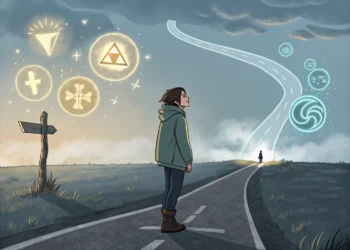

The hidden identity trope is built around one simple but powerful question: what happens when the truth finally comes out? A character may be secretly rich, secretly royal, secretly powerful, secretly talented, or connected to an important family. Sometimes the hidden identity is used for protection. Sometimes it is used to test another person’s sincerity. Sometimes it exists because the character wants to live freely without being judged by status. Whatever the reason, this trope creates instant suspense.
Readers enjoy hidden identity stories because they create two layers of reality. On the surface, other characters believe they understand the person in front of them. They may underestimate them, insult them, reject them, or treat them casually. But readers know there is more to the character than everyone else sees. This creates dramatic irony, which is one of the strongest tools for keeping attention. The audience waits for the moment when the underestimated character is finally revealed.
This trope is especially satisfying when the hidden identity belongs to a character who has been mistreated. For example, a woman may be mocked as ordinary, only for others to discover that she is the real heiress, the brilliant designer, or the person behind a major company. A man may be treated as poor or powerless before revealing that he controls the business everyone depends on. These moments create strong emotional payoff because they reverse the power balance.
The appeal is not only about status. At its best, the hidden identity trope explores how people behave when they think no one important is watching. A character who hides their background can see who treats them with kindness and who only respects wealth or power. This makes the trope useful for testing relationships. If someone loves the character before knowing the truth, the relationship feels more sincere. If someone changes their attitude after the reveal, the story exposes their shallowness.
Another reason the trope works well is that it naturally creates conflict. Keeping a secret is never easy. The character may need to lie, avoid questions, or create explanations. Each lie increases tension. Readers know that secrets usually become heavier over time. Even if the character has a good reason, the people around them may feel betrayed when the truth appears. This gives the story emotional complexity beyond the excitement of the reveal.
The reveal scene is often the most important part of this trope. A weak reveal simply announces information. A strong reveal changes the emotional situation. It may happen at a banquet, business meeting, family confrontation, courtroom scene, or public crisis. The best reveals do not only shock other characters; they also force them to reconsider everything they assumed. The person they dismissed was never weak. The person they used was never without options. The person they loved may have been protecting them all along.
Hidden identity stories are popular in short dramas because they work quickly. A viewer can understand the hook in seconds: someone is pretending to be ordinary, but they are not. Every insult, misunderstanding, or challenge builds anticipation for the reveal. This makes the trope highly watchable because each scene can push the audience closer to the truth.
However, the trope can become frustrating if the secret is kept for too long without a believable reason. Readers may ask why the character does not simply reveal the truth earlier. To make the story stronger, the hidden identity should have clear stakes. Revealing it might put someone in danger, damage a plan, attract enemies, or destroy a fragile relationship. When the reason is convincing, the suspense feels earned rather than artificial.
The trope also works well with romance. If one character hides their identity, the other must decide whether their feelings were based on the person or the situation. A love interest may feel hurt by the deception but also realize that the emotional connection was real. This creates a strong conflict between trust and love. The romance becomes more engaging when the secret does not simply disappear after the reveal but must be repaired.
At its core, the hidden identity trope satisfies a desire for recognition. Many people understand the feeling of being underestimated or judged too quickly. Stories using this trope offer a fantasy of being truly seen. The reveal says, “You thought you knew me, but you only saw the surface.” That emotional reversal is why the trope continues to work across romance, revenge, fantasy, and drama.
The hidden identity trope remains popular because it combines suspense, justice, and emotional payoff. It keeps readers waiting for the truth, then rewards them with a moment of transformation. When done well, the reveal is not just a surprise. It is the moment when the entire story changes shape.