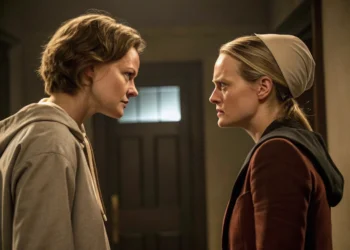

Second chance love is one of the most emotionally powerful tropes in romance stories. It begins with a relationship that has already failed, ended, or been interrupted. The characters may have been childhood sweethearts, former spouses, first loves, or two people separated by misunderstanding, ambition, family pressure, or timing. When they meet again, the story does not start from zero. It begins with memory, regret, and unfinished emotion.
This is why the trope feels so intense. In a first-love story, readers watch two people discover each other. In a second chance story, readers watch two people rediscover what they once meant to each other. Every conversation carries history. A simple look can suggest pain. A casual sentence may reopen an old wound. The characters do not need to explain everything immediately because the emotional weight is already present.
One of the strongest parts of this trope is regret. Readers are often drawn to characters who wonder what could have been different. Maybe one person left without explaining. Maybe both were too young to understand love. Maybe pride kept them silent. A second chance story gives the characters an opportunity to face the past instead of running from it. This creates emotional depth because the romance is not only about attraction. It is about accountability, growth, and healing.
The trope also works because time changes people. When the characters meet again, they are usually not exactly the same as before. One may be more successful but lonelier. One may appear stronger but still carry emotional scars. One may have moved on in daily life but not in the heart. Readers enjoy seeing how the past version of a relationship compares with the present version. The question is not only “Do they still love each other?” but also “Can they love each other better now?”
A good second chance story often includes a clear reason why the first relationship failed. Without that, the reunion can feel too easy. The reason does not always need to be dramatic, but it must matter. Miscommunication, family opposition, hidden sacrifice, career pressure, betrayal, or fear of vulnerability can all work. The key is that the past conflict should still affect the present. If the characters do not confront it, the romance may feel incomplete.
Another reason this trope keeps readers engaged is emotional tension. Unlike strangers falling in love, former lovers already know each other’s habits, weaknesses, and emotional triggers. They may try to act indifferent, but indifference is difficult when someone knows your favorite food, your childhood dream, or the exact way you hide sadness. These small details make the story feel intimate. Readers can sense that the bond never fully disappeared.
Second chance love also gives writers room for strong character arcs. A proud character may need to apologize sincerely. A fearful character may need to choose trust again. A character who once sacrificed love for duty may need to decide whether duty is still worth the loss. These arcs make the romance feel earned. The happy ending becomes meaningful because the characters have not simply fallen in love again; they have learned how not to repeat the same mistakes.
The trope is especially effective in short dramas and serialized fiction because it creates immediate questions. Why did they separate? Who was hurt more? Was there a secret? Does one person still love the other? Is the new relationship a fresh start or a repeat of old pain? These questions encourage viewers and readers to continue. Each episode or chapter can reveal another piece of the past.
A common scene in this trope is the forced reunion. The characters may become coworkers, business partners, neighbors, rivals, or co-parents. This setup prevents them from avoiding each other. Avoidance is important because it shows that the emotions are still dangerous. If they could easily walk away, the story would lose tension. Being forced into the same space makes every unresolved feeling harder to ignore.
What makes second chance love satisfying is the idea that timing can change. The first time may have been wrong, but the feelings were not necessarily false. Readers often find comfort in the possibility that love can return with more maturity, honesty, and courage. It is not about pretending the past did not hurt. It is about proving that people can grow beyond the version of themselves that caused the pain.
This trope remains popular because it combines romance with emotional repair. It allows characters to ask for forgiveness, reveal hidden truths, and choose each other with full knowledge of the past. The love is not innocent, but it is often deeper. That is why second chance stories continue to hold attention: they remind readers that some endings are only pauses before a more honest beginning.