Short dramas are designed to be easy to start, but that also means they can quickly turn into endless scrolling. One episode becomes five, and five becomes an entire evening. A better watching routine does not mean removing entertainment from your day. It means watching in a way that feels enjoyable, organized, and satisfying instead of rushed or automatic.
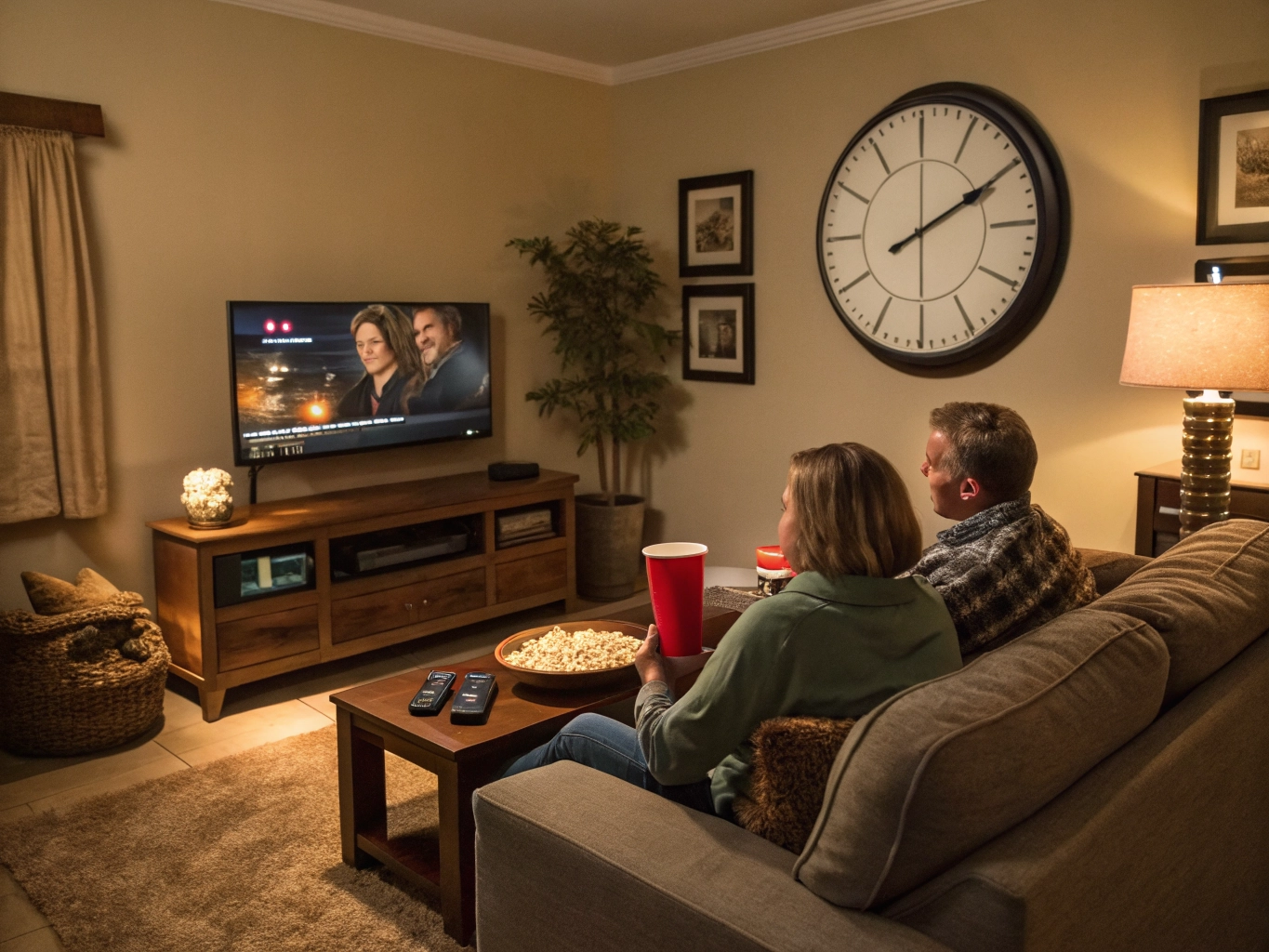
The first step is choosing the right moment to watch. Short dramas work best when you actually have enough attention for them. Many viewers open an episode during a short break, while commuting, or before bed. These moments are convenient, but they also affect how you experience the story. If you are tired or distracted, you may miss emotional details, character clues, or important plot turns. Instead of watching whenever the app suggests something, try choosing a specific time. For example, you can save two or three episodes for lunch break, after dinner, or a quiet evening window.
A useful habit is deciding your episode limit before you start. Short dramas often end with strong cliffhangers, so stopping after “just one more” can be difficult. If you decide ahead of time that you will watch three episodes, it becomes easier to stop without feeling like the story is controlling your time. You can still enjoy the suspense, but you are choosing the pace. This makes the experience feel more intentional.
Another tip is to watch by story mood. Not every drama fits every moment. If you are already stressed, a heavy betrayal or revenge plot may feel too intense. If you want something relaxing, a sweet romance, light comedy, or slice-of-life story may be better. If you want excitement, then a hidden identity, contract marriage, or comeback story can be more engaging. Matching the story mood to your current mood helps you enjoy the content more.
It also helps to pay attention to the first few minutes. Short dramas usually reveal their main promise quickly. The opening scenes tell you whether the story is about revenge, romance, family conflict, business rivalry, or mystery. Instead of forcing yourself to continue every drama you start, use the beginning as a filter. Ask yourself: do I care about the main character’s problem? Do I want to know what happens next? Is the tone something I want right now? If not, it is fine to move on.
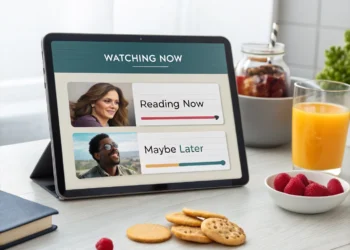
For viewers who watch many dramas, keeping a small watchlist can improve the experience. You do not need a complicated system. A simple note with titles, episode numbers, and a few words about the story is enough. This is especially helpful when several dramas have similar plots. A watchlist prevents you from forgetting where you stopped and helps you return to stories you actually liked.
Another good habit is leaving space between emotionally intense episodes. Some short dramas move very fast. A character may be betrayed, humiliated, rescued, and confronted within only a few scenes. This speed is entertaining, but it can also become emotionally overwhelming. Taking a short break between episodes gives the story time to settle. It also makes big moments feel more memorable.
If you watch with friends, short dramas can become more enjoyable. You can recommend episodes, compare reactions, or discuss which character made the best decision. Many stories are built around dramatic choices, misunderstandings, and reveals, so they naturally invite conversation. Even a simple message like “I did not expect that ending” can make the experience more fun.
For better viewing, avoid watching only for the plot twist. Twists are exciting, but the best stories also include character growth, emotional details, and relationship changes. Notice how a cold character begins to soften, how a betrayed character regains confidence, or how a fake relationship becomes sincere. These details make the drama more satisfying than the twist alone.
Finally, know when to stop a drama that no longer works for you. Some viewers continue because they already spent time on the first episodes. But entertainment should not feel like homework. If the story becomes repetitive, frustrating, or no longer enjoyable, it is okay to drop it. Saving your attention for better stories makes your overall watching routine healthier.
A good short drama routine is simple: choose the right time, set a limit, match the mood, keep track of what you like, and stop when the story stops rewarding your attention. Short dramas are most enjoyable when they add energy to your day instead of taking control of it.