Short dramas have become one of the fastest-growing forms of digital entertainment in recent years. Unlike traditional television series, which usually require long episodes and a major time commitment, short dramas are designed for quick viewing on mobile devices. Each episode is usually brief, direct, and built around a strong emotional hook. For modern viewers who are busy, distracted, or constantly switching between apps, this format feels natural and easy to enjoy.
One of the main reasons short dramas are popular is convenience. Many people no longer have time to sit through a forty-minute episode after a long day of work or study. A short drama can deliver a complete emotional moment in just a few minutes. Viewers can watch one episode during a commute, a lunch break, or before going to sleep. This makes short dramas fit neatly into small gaps in daily life.
Another important reason is the storytelling speed. Traditional dramas often spend several episodes building background, introducing characters, and setting up the main conflict. Short dramas usually move much faster. The audience can understand the central problem almost immediately. A character may face betrayal, a hidden identity may be revealed, or a relationship conflict may appear within the first few minutes. This fast pace keeps viewers interested and encourages them to continue watching.
Emotional storytelling is also a key part of the appeal. Many short dramas focus on themes that are easy to understand, such as love, family conflict, personal growth, revenge, career pressure, or second chances. These topics are familiar to many people, even when the plot itself is dramatic or exaggerated. The emotional clarity makes the story easy to follow. Viewers do not need to remember complicated worldbuilding or too many character names.
Short dramas often rely on strong cliffhangers. At the end of an episode, a major question is left unanswered. Will the main character reveal the truth? Will the couple separate or reunite? Will the villain be exposed? These cliffhangers create a strong sense of curiosity. Because each episode is short, viewers may feel that watching “just one more” does not require much time. This structure is one of the reasons short dramas are so effective on mobile platforms.
Character types also play an important role. Many short dramas use familiar but appealing character roles, such as the determined female lead, the cold but caring male lead, the misunderstood hero, the loyal friend, or the manipulative rival. These characters are easy to recognize, which helps the audience enter the story quickly. Instead of spending too much time explaining who each person is, the drama can focus on conflict, emotion, and transformation.
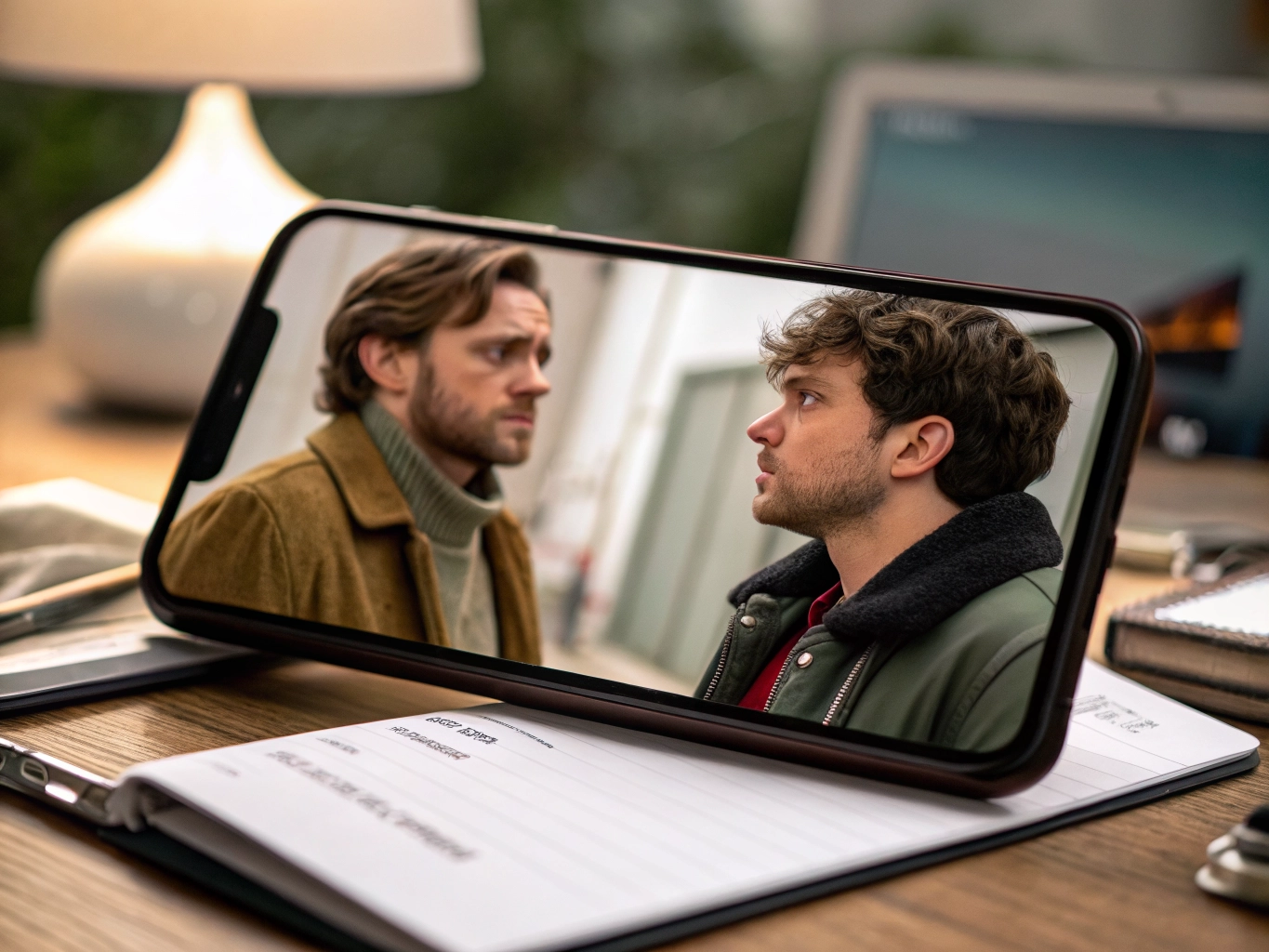
The visual style of short dramas is usually simple but direct. Since many viewers watch on phones, scenes need to be easy to understand on a small screen. Close-up shots, clear facial expressions, and direct dialogue are common. The goal is not always cinematic complexity, but emotional impact. Viewers should be able to understand what is happening even if they watch casually or in a busy environment.
Short dramas also reflect changes in entertainment habits. People are used to short videos, fast recommendations, and personalized feeds. They expect content to become interesting quickly. Short dramas match this habit by offering compact stories with quick emotional rewards. They sit between traditional drama and short-form video: longer and more story-driven than a simple clip, but shorter and easier to consume than a full television episode.
From a content perspective, short dramas are also flexible. They can cover romance, mystery, family drama, workplace stories, fantasy, historical settings, or inspirational themes. This flexibility allows different audiences to find stories that match their interests. Some viewers enjoy romantic tension, while others prefer revenge plots or stories about personal success. The short format makes it easy for platforms and creators to test different genres.
However, short dramas also have limitations. Because the episodes are brief, some plots may feel rushed. Character development can sometimes be simple, and certain storylines may rely too much on familiar tropes. A good short drama needs to balance speed with emotional depth. If everything happens too quickly without believable motivation, viewers may lose interest. The best short dramas are not only fast, but also clear, engaging, and emotionally satisfying.
For viewers, short dramas are enjoyable because they offer quick storytelling without requiring a long commitment. For creators, they provide a format that works well with mobile behavior. For platforms, they encourage repeat viewing and strong engagement. This combination explains why short dramas continue to grow in popularity.
Overall, short dramas are more than just a trend. They represent a shift in how people consume stories. Modern audiences want entertainment that is accessible, emotional, and easy to watch on the go. Short dramas meet these needs by combining fast pacing, familiar themes, strong cliffhangers, and mobile-friendly storytelling. As viewing habits continue to change, short dramas are likely to remain an important part of digital entertainment.