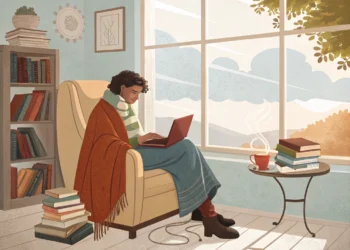

Character development is one of the main reasons people keep reading novels or watching dramas. Plot twists may create excitement, but characters create attachment. When a character changes in a believable way, the story feels more meaningful. Learning how to read character development more deeply can make any story richer, whether it is a romance, fantasy, revenge drama, or short series.
The first thing to notice is who the character is at the beginning. Many readers focus on what happens, but character development starts with the initial state. Is the character timid, proud, lonely, impulsive, cold, naive, ambitious, or afraid? What do they believe about themselves? What do they believe about others? These early traits become the foundation for later change.
Next, look at what the character wants. A strong character usually has a goal, even if it is simple. They may want love, freedom, success, revenge, safety, recognition, or truth. Their goal drives their actions. But development often happens when the character realizes that what they want is different from what they need. For example, a character may want revenge but need healing. They may want power but need trust. They may want love but need self-respect first.
Pay attention to repeated choices. Character growth is not shown only through emotional speeches. It is shown through decisions. If a character who once ran away from conflict chooses to speak honestly, that is development. If a proud character apologizes, that matters. If a cold character protects someone without expecting reward, the story is showing change through action.
Another useful question is: what fear controls the character? Many characters are shaped by fear. They may fear abandonment, failure, weakness, betrayal, poverty, rejection, or loss of control. A good story slowly forces them to face that fear. When they act differently despite fear, the development becomes powerful. Courage is not the absence of fear; it is choosing differently when fear is still present.
Relationships are also important for reading development. Characters often change because another person challenges how they see the world. A love interest may teach trust. A friend may offer loyalty. A rival may expose weakness. A mentor may demand responsibility. Notice which relationships make the character more honest, more confident, or more compassionate. These connections often reveal the emotional center of the story.
It is also helpful to compare public behavior with private behavior. Some characters perform strength in public but break down alone. Others appear careless but quietly carry responsibility. When a story shows both sides, the character feels deeper. Development may happen when the private self and public self become closer. The character no longer needs to hide as much.
A strong character arc usually includes setbacks. Growth is rarely straight. A character may improve, then make an old mistake under pressure. This does not always mean the writing is bad. Sometimes it makes the arc more realistic. The key is whether the character learns from the setback. Repeating a mistake with no reflection can feel frustrating. Repeating it and then choosing differently later can feel meaningful.
In romance stories, character development is often tied to emotional openness. A guarded character may learn to communicate. A self-sacrificing character may learn to ask for help. A jealous character may learn trust. A passive character may learn to set boundaries. The romance becomes stronger when both leads grow, not when one person simply fixes the other.
In revenge stories, development can be more complex. The protagonist may become stronger, but strength alone is not always growth. Ask whether they become wiser, more self-aware, or more balanced. A revenge arc is satisfying when the character gains power without losing their humanity.
Another way to read deeply is to notice symbols or habits. A character may wear certain clothes, avoid certain places, repeat certain phrases, or keep an object from the past. When these details change, they may signal internal change. For example, a character who stops wearing a reminder of betrayal may be ready to move forward.
Finally, think about the ending. A good character ending should feel connected to the beginning. The character does not need to become perfect, but they should be different in a meaningful way. They may have gained courage, accepted love, found identity, or chosen peace. The satisfaction comes from seeing how far they have traveled emotionally.
Reading character development more deeply means looking beyond events. Watch the fears, choices, relationships, setbacks, habits, and emotional needs. When you understand how a character changes, the story becomes more than entertainment. It becomes a journey you can feel.