Short dramas are easy to start but sometimes hard to stop. One episode is usually short, the story moves quickly, and every ending seems designed to make you click the next one. That is part of the fun, but it can also turn a five-minute break into an hour of scrolling. For people who enjoy short dramas but still want to manage their time well, the goal is not to stop watching completely. It is to watch in a way that feels relaxing instead of distracting.
Short dramas can be a good form of entertainment when used intentionally. They are quick, emotional, and easy to fit into busy days. The key is learning how to enjoy them without letting the app decide how long you stay.
Start with a clear watching window
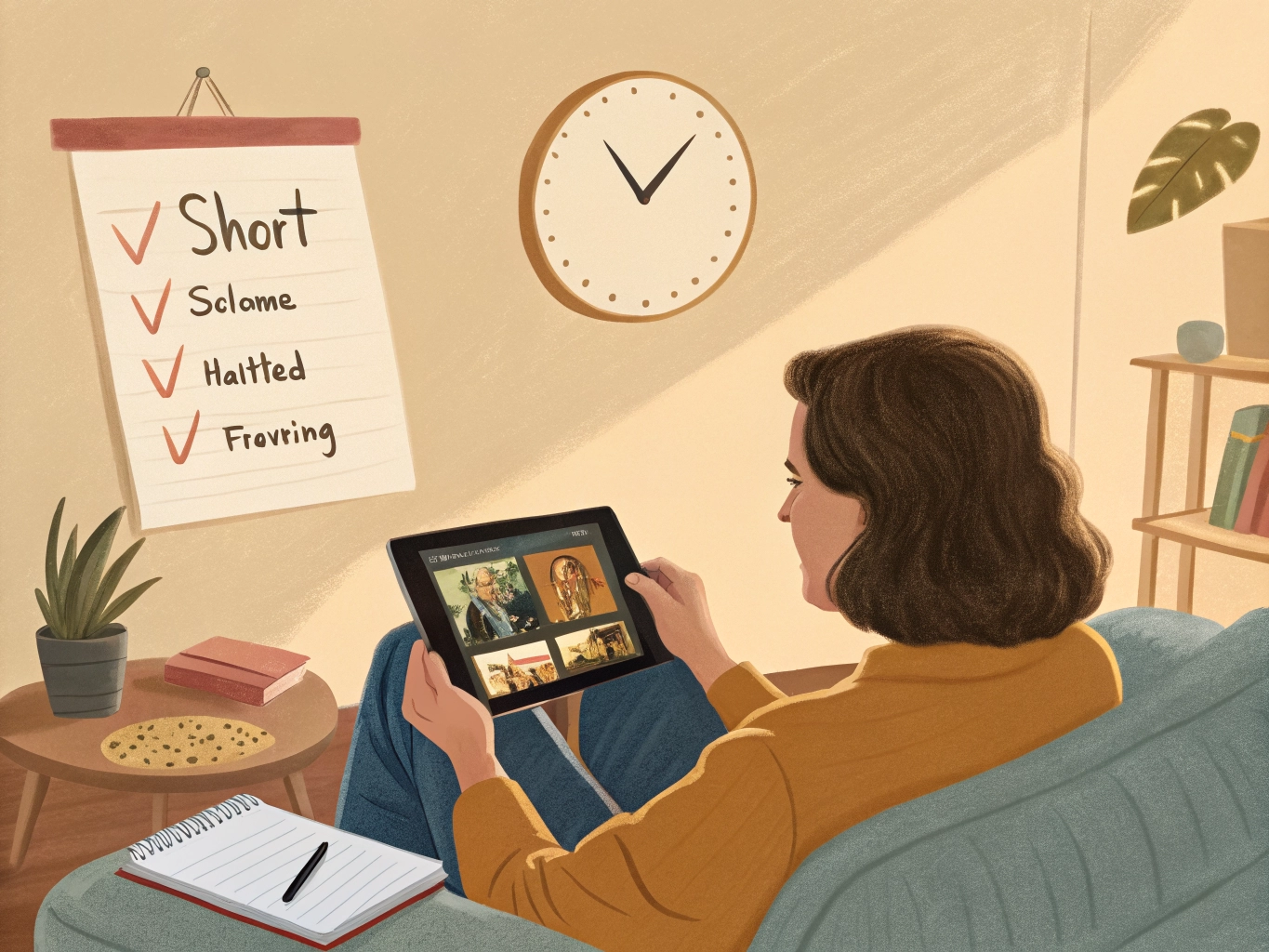
The easiest way to avoid spending too much time is to decide how long you want to watch before opening the app. This sounds simple, but it makes a real difference. If you open a drama app with no plan, the next episode button becomes very tempting. If you decide, “I will watch for 15 minutes,” you are more likely to stop at a reasonable point.
A good watching window might be during lunch, after work, or before bed. The important part is to choose a time that does not interrupt something more important. For example, watching during a commute may feel relaxing, while watching during work hours may create stress afterward.
It also helps to set a small rule. Instead of saying “I’ll stop soon,” try saying “I’ll watch three episodes” or “I’ll stop when this storyline reaches the next scene change.” A specific limit is easier to follow than a vague promise.
Avoid starting a new series when you are tired
Many people start a new short drama late at night because they want something light before sleeping. The problem is that the first few episodes are usually designed to hook viewers quickly. A betrayal, secret identity, sudden marriage, or dramatic confrontation can make it difficult to stop.
If you are already tired, your self-control is usually lower. You may tell yourself you will watch one episode, then continue because the story is too dramatic to leave unfinished. A better habit is to avoid starting a new series when you only have a few minutes or when you need to sleep soon.
Instead, save new dramas for times when you can watch without pressure. At night, it may be better to continue a familiar series or watch only one saved episode. This makes the experience feel calmer.
Use watchlists instead of endless scrolling
A big reason people spend too much time on entertainment apps is not only the watching itself, but the searching. You open the app to find something, scroll through dozens of covers, preview several stories, and suddenly a lot of time has passed.
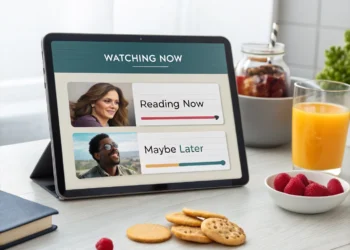
A watchlist can solve this problem. When you see a drama that looks interesting, save it instead of starting it immediately. Over time, you build a small list of shows you actually want to watch. Then, when you have free time, you can choose from your list instead of scrolling endlessly.
A good watchlist should not be too large. If it has too many titles, it becomes another form of clutter. Keep only the stories you are genuinely curious about. Remove dramas you no longer want to watch. This makes your viewing choices cleaner and faster.
Stop at natural break points
Short dramas are built around cliffhangers, so stopping after an intense ending can feel frustrating. One useful trick is to stop at a natural break point instead of at the strongest cliffhanger. For example, if an episode ends with a shocking reveal, you may want to watch one more episode to see the immediate reaction. After that reaction scene ends, stop before the next major conflict begins.
This approach works better than forcing yourself to stop at the most dramatic moment. It gives your brain a small sense of closure, which makes it easier to leave the story and return later.
Web novels work the same way. If a chapter ends with a confrontation, reading one more chapter may help you reach a calmer stopping point. The goal is not to binge until the entire plot is finished, but to stop when your curiosity feels manageable.
Choose stories that match your available time
Not every short drama fits every situation. Some stories are light and easy to watch in short breaks. Others are emotionally heavy, full of betrayal, revenge, or family conflict. These may require more attention and can be harder to stop.
If you only have ten minutes, choose something simple or familiar. If you have a longer break, you can watch a more intense storyline. Matching the story to your available time helps prevent the feeling of being pulled too deeply into a plot when you should be doing something else.
For example, a light romance or comedy may be good for a quick break. A revenge drama with many secrets may be better for the evening or weekend. Being aware of this difference makes your watching habits more intentional.
Turn off unnecessary notifications
Notifications are designed to bring you back. A message about a new episode, a trending drama, or a special update can easily interrupt your day. If you often open drama apps because of notifications, consider turning off non-essential alerts.
You do not have to remove every notification. You can keep important ones if you really want updates from specific shows. But reducing random reminders helps you decide when to watch instead of reacting every time the app calls your attention.
This small change can make short drama watching feel more like a choice and less like a habit you fall into automatically.
Enjoy the story without rushing
Sometimes people binge short dramas because they want to know the ending as quickly as possible. But rushing through a story can make it less enjoyable. When you slow down, you notice more details: acting, dialogue, character changes, background music, and emotional pacing.
Watching fewer episodes with more attention can be more satisfying than watching many episodes while barely remembering them. This is especially true for stories with strong character arcs or emotional reversals. The best moments often work better when you give them space.
Make entertainment feel like a reward, not an escape
Short dramas are most enjoyable when they feel like a healthy break. They become less helpful when they are used only to avoid stress, delay work, or stay awake too late. A simple way to keep balance is to treat watching as a reward after finishing something.
For example, you might watch a few episodes after completing work, cleaning your room, finishing a study session, or taking care of daily tasks. This makes the entertainment feel earned and prevents it from becoming a source of guilt.
Short dramas are popular because they are emotional, convenient, and easy to enjoy. There is nothing wrong with watching them. The key is to create small habits that help you stay in control. With a clear time limit, a useful watchlist, better stopping points, and fewer distractions, you can enjoy short dramas without letting them take over your day.