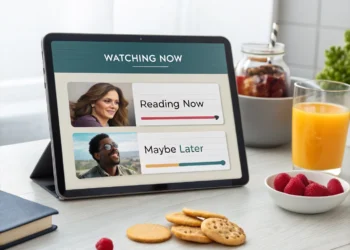

Short drama apps and websites often offer more stories than one person can watch. New titles appear quickly, covers look dramatic, and every preview promises romance, revenge, secrets, or emotional twists. Without a plan, it is easy to spend more time browsing than actually watching. A personal watchlist can help you avoid that problem.
A good watchlist is not just a random collection of titles. It is a simple system that helps you remember what interested you, choose faster, and enjoy short dramas in a more organized way.
Start with a small list
The first rule of a useful watchlist is to keep it small. If you save every drama that looks slightly interesting, the list becomes too crowded. Later, when you want to watch something, you may feel overwhelmed again.
Start with five to ten titles. This is enough to give you options without creating clutter. You can always add more later, but a smaller list makes your choices easier.
When deciding whether to add a drama, ask yourself: Would I actually watch this in the next week? If the answer is no, it may not belong on your active list.
Separate dramas by mood
Short dramas are emotional entertainment, so mood matters. Some stories are intense and full of revenge. Some are romantic and sweet. Some are funny, dramatic, suspenseful, or comforting. A single watchlist can become confusing if all these moods are mixed together.
Try dividing your list into simple groups:
- Light and easy
- Revenge and comeback
- Romance tension
- Family drama
- Comfort stories
- Fast-paced stories
This does not need to be complicated. Even a few labels can help. When you feel tired, you can choose from the comfort group. When you want excitement, you can choose revenge or suspense.
A mood-based watchlist helps you match the drama to your current energy instead of randomly starting something that may not fit.
Add notes about why you saved it
After a few days, you may forget why a drama looked interesting. A short note can help. Write one simple phrase beside the title, such as “hidden identity,” “contract marriage,” “strong female lead,” “funny first episode,” or “family secret.”
These notes make your watchlist more useful. Instead of only seeing titles, you see the reason each drama attracted you.
This is especially helpful when covers and titles look similar. Many short dramas use familiar themes, so notes can help you remember the difference between them.
Watch the first episode before committing
A watchlist should not mean you must finish every drama on it. Before fully committing to a series, watch the first episode with a simple test: Do I want more of this feeling?
The first episode usually shows the tone, pacing, acting style, and main conflict. If it feels too slow, too dramatic, too confusing, or not interesting enough, remove it from your list.
This saves time. It is better to drop a drama early than continue only because you saved it.
Keep a separate list for unfinished dramas
It helps to separate “want to watch” from “currently watching.” If all titles are mixed together, you may forget which ones you already started.
Create a small section for unfinished dramas. Include the episode number where you stopped. For example:
- Hidden identity romance — episode 12
- Revenge comeback story — episode 8
- Family secret drama — episode 5
This makes it easier to return later without searching through the app.
If you have not returned to a drama for a long time, consider removing it. A watchlist should serve your current interests, not become a storage place for stories you no longer care about.
Choose one main drama at a time
It is tempting to follow several short dramas at once, especially when episodes are quick. But too many active stories can make the experience less satisfying. You may mix up characters, forget conflicts, or feel like you are always chasing unfinished plots.
Try choosing one main drama and one backup drama. The main drama is the one you are actively following. The backup is something lighter or different in mood.
This simple approach keeps your viewing focused. You can enjoy the main storyline more clearly and avoid feeling scattered.
Remove titles regularly
A watchlist needs cleaning. Every few days or once a week, review your saved titles. Remove dramas that no longer interest you. Remove stories that felt disappointing after the first episode. Remove titles you saved only because the cover looked attractive.
This habit keeps the list useful. A clean watchlist makes choosing easier and prevents endless browsing.
It also helps you understand your taste. If you keep removing certain types of dramas, maybe those tropes are not really for you. If you keep choosing strong female lead stories or revenge plots, you know what to look for next.
Use your watchlist to manage time
A watchlist can also help with time control. Instead of opening an app and scrolling until something grabs your attention, you can open your list and choose directly. This reduces the chance of spending too much time browsing.
You can also decide how many episodes to watch before starting. For example, choose one drama from your list and watch three episodes. When you finish, stop. This is much easier than letting the app guide you from one recommendation to another.
Balance familiar tropes with new ones
A good watchlist should include stories you know you enjoy, but it can also include one or two new genres. If you always watch revenge romance, try adding a light comedy or family healing story. If you usually watch sweet romance, try a suspenseful short drama.
This keeps your entertainment fresh. You may discover a new type of story you did not expect to enjoy.
However, do not overload the list with experiments. Keep most of it aligned with your real taste, then leave a little room for discovery.
Make the list personal, not perfect
There is no perfect watchlist. The best list is one that helps you enjoy short dramas more easily. It should reflect your taste, schedule, and mood. It can be simple, messy, or detailed, as long as it works for you.
The goal is not to watch everything. The goal is to watch better. A personal watchlist helps you avoid random scrolling, remember interesting titles, and choose stories that fit your mood. With a little organization, short dramas become more enjoyable and less overwhelming.